Dr. Surabhi Dhanwala on How Yoga Is Transforming Physiotherapy and Patient Recovery in India
Jun 25, 2026
PNN
Lucknow (Uttar Pradesh) [India], June 25: Every year on International Yoga Day, conversations around yoga follow a familiar pattern -- flexibility, mindfulness, stress relief. But inside physiotherapy clinics across India, a more clinical conversation has been quietly taking place. One that is less about wellness trends and more about measurable recovery outcomes.
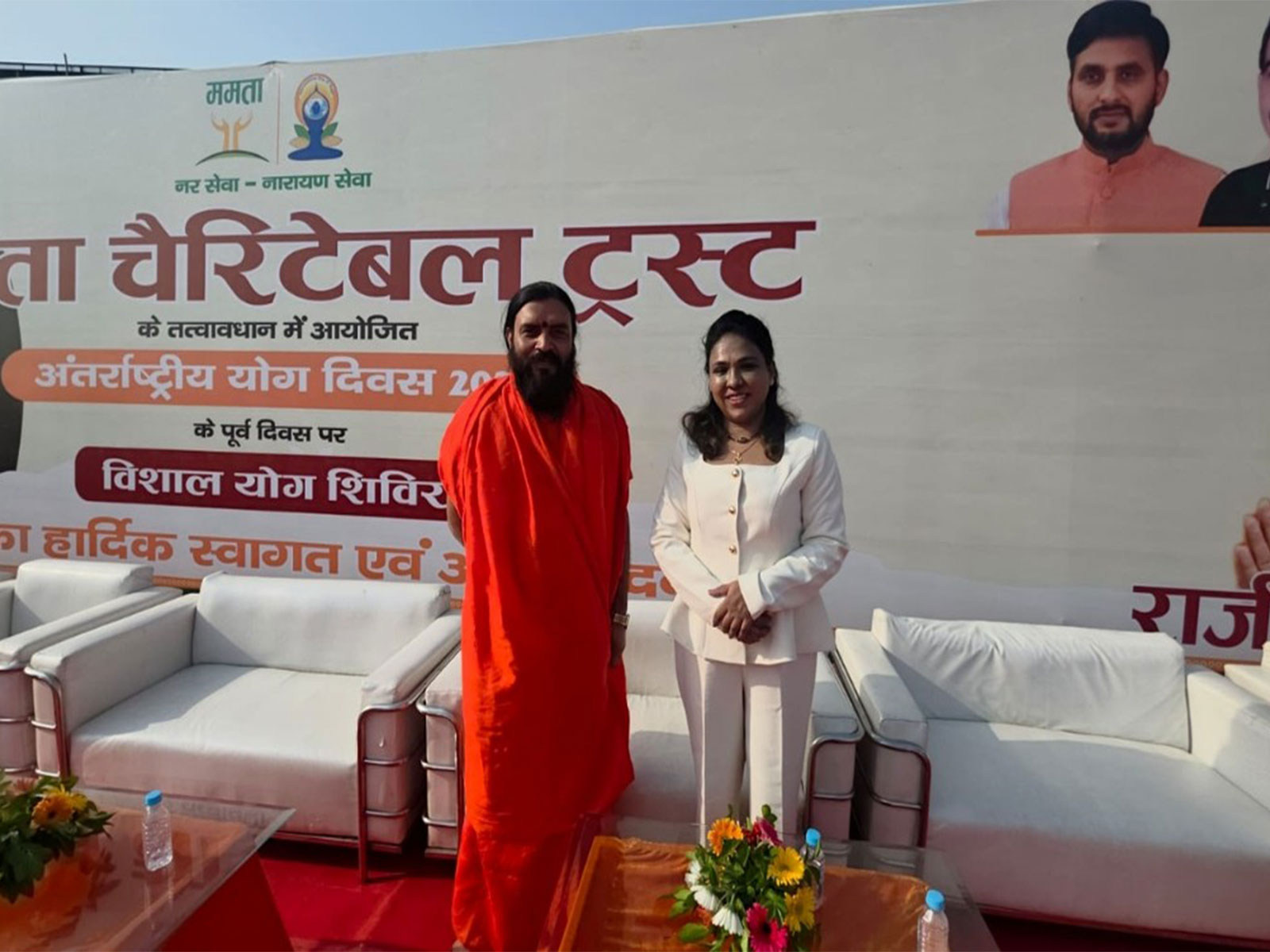
This year, the International Yoga Day celebration organized by Mamta Charitable Trust in Lucknow brought that conversation into a public space in a significant way. The event drew nearly 40,000 participants and served as one of the largest community health awareness initiatives associated with the occasion -- bringing together medical professionals, spiritual leaders, senior government figures, and citizens around a single message: prevention and rehabilitation are two sides of the same coin.
The scale and the names associated with the Lucknow celebration made it one of the more notable Yoga Day gatherings in the country this year. Uttar Pradesh Deputy Chief Minister Shri Brajesh Pathak graced the event as a distinguished guest, bringing with him the state government's commitment to public health and preventive wellness. Neeraj Singh, son of Defence Minister Shri Rajnath Singh, was also present, reflecting the broader national significance attached to the occasion.
Revered spiritual leader Kameshwar Puri Ji Maharaj added a deeper dimension to the event, connecting the ancient roots of yoga with its modern-day relevance in healthcare and community well-being. Together, their presence underlined that yoga, in India today, is no longer just a cultural practice -- it is being taken seriously as a public health strategy.
Among the healthcare professionals invited to the event was Dr. Surabhi Dhanwala, a Pune-based physiotherapist ranked among the Top 10 Physiotherapists in India -- a recognition that reflects years of evidence-based clinical work and her growing influence in the rehabilitation and wellness space.
Physiotherapy, at its core, is about restoring function. Whether a patient is recovering from a sports injury, managing chronic pain, or rebuilding mobility after a neurological episode, the goal is to help the body move better and hurt less.
Yoga, when applied thoughtfully within a clinical framework, offers tools that align directly with that goal. Controlled breathing regulates the nervous system and reduces pain perception. Slow, deliberate movement builds proprioception -- the body's awareness of its own position in space. Postural correction through yoga addresses root causes of musculoskeletal complaints rather than just their symptoms.
This is why physiotherapists across India are no longer treating yoga as a lifestyle add-on. Many are now building it into structured rehabilitation protocols, particularly for patients managing chronic pain, postural disorders, and long-term mobility issues.
For patients dealing with conditions such as spondylitis, frozen shoulder, or post-surgical stiffness, Dr. Dhanwala incorporates yoga-informed physiotherapy into her treatment approach at her Pune clinic -- focusing on breath coordination, gentle mobilization, and body awareness alongside conventional rehabilitation techniques.
The outcomes tend to be more sustainable. Patients recover, but more importantly, they develop habits that reduce the likelihood of relapse. Yoga teaches patients to understand their own bodies -- and that awareness carries into daily life, transforming a patient from a passive recipient of treatment into an active participant in their own recovery.
When medical professionals step outside clinical settings and engage directly with communities, the impact is difficult to overstate. When a trained physiotherapist explains to thousands of people how a specific yoga posture reduces joint load, or how breathwork helps manage chronic pain, people leave with knowledge they can immediately act on.
That shift in awareness is where real preventive healthcare begins -- and events like the one organized by Mamta Charitable Trust create exactly that opportunity at scale.
India faces a growing burden of lifestyle-related and musculoskeletal disorders. For a healthcare system under increasing pressure, scalable community-level solutions matter. Yoga -- taught correctly, applied clinically, and communicated clearly -- is proving to be one of them.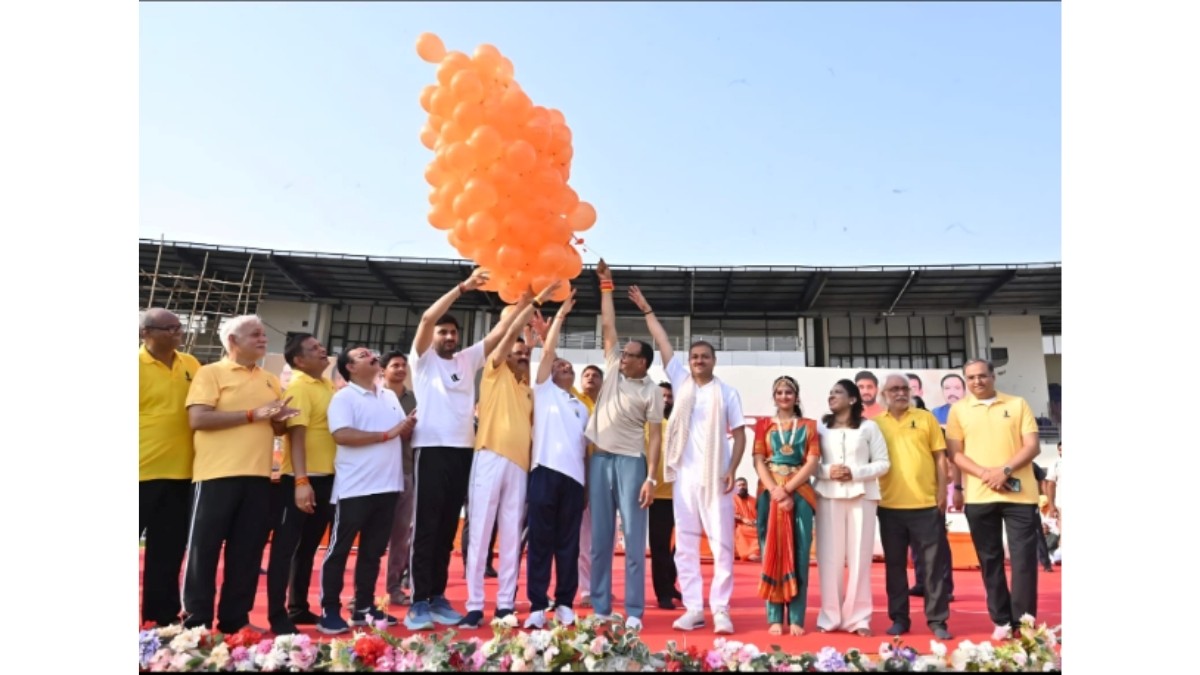
Dr. Surabhi Dhanwala's participation in this Lucknow event -- travelling from Pune to be part of a national conversation on preventive health -- was a reminder that the future of rehabilitation in India will be built not just inside hospitals, but within communities -- one informed patient at a time. www.dhanwala.com
(ADVERTORIAL DISCLAIMER: The above press release has been provided by PNN. ANI will not be responsible in any way for the content of the same.)