Dr. Ankita Shah: Transforming TMJ Care from Mumbai to Dubai
Dec 31, 2025
VMPL
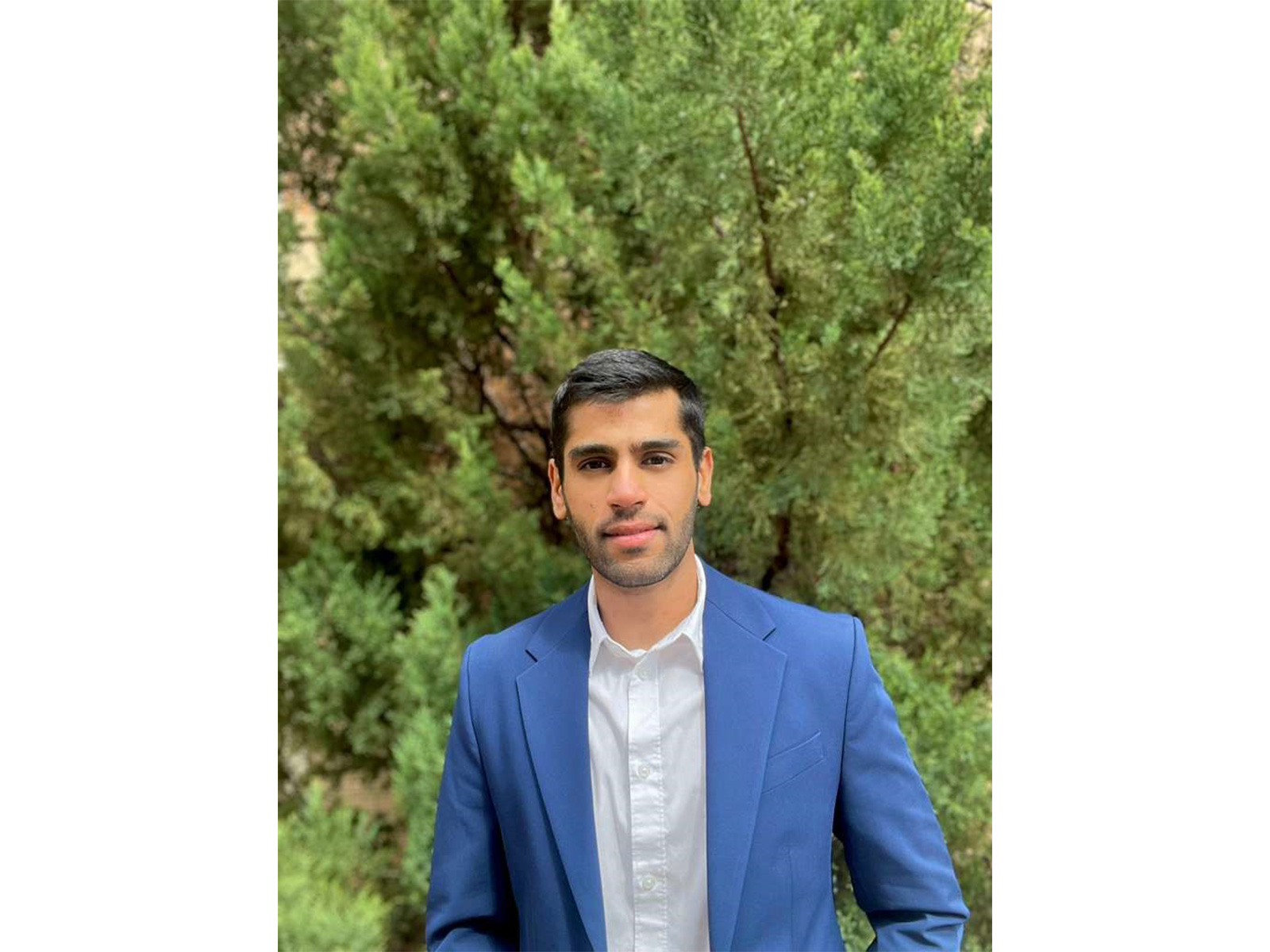
Mumbai (Maharashtra) / New Delhi [India] / Dubai [UAE], December 31: As cases of chronic facial pain, jaw dysfunction and undiagnosed temporomandibular joint (TMJ) disorders continue to rise, healthcare providers across India and the Middle East are witnessing a shift in how these conditions are clinically understood and managed. This shift is being shaped by a functional, system-based approach to TMJ care led by Dr Ankita Shah, a TMJ specialist with clinical centres in India and the UAE.
Operating from clinics in Mumbai and Delhi, along with advanced treatment facilities in Dubai, Dr Shah's work focuses on identifying TMJ-related symptoms as part of a broader craniofacial, neuromuscular and postural system. Rather than treating jaw pain, clicking sounds, migraines or facial tension as isolated conditions, her diagnostic framework views these symptoms as interconnected indicators of deeper functional imbalance.
TMJ disorders frequently present alongside chronic headaches, cervical discomfort, facial pain and postural instability. Many patients experience years of temporary relief through symptom-focused treatments before underlying causes are identified. Dr Shah's clinical approach addresses this gap by prioritising diagnostic accuracy and long-term functional stability.
Her work is supported by advanced training in Gnatho Neuromuscular (GNM) Dentistry under Dr Clayton Chan, a globally recognised authority in the field. This enables precise identification of the jaw's physiologic position, which plays a critical role in posture, cervical alignment and neuromuscular balance.
The diagnostic protocol followed at her centres includes real-time jaw tracking, electromyography (EMG) muscle analysis, transcutaneous electrical nerve stimulation (TENS) therapy and high-resolution three-dimensional imaging. Based on these assessments, customised GNM orthotics are designed to restore neuromuscular harmony and provide sustained relief. This approach differs from conventional night guards, which often address symptoms without correcting functional imbalance.
TMJ dysfunction is also closely linked to sleep quality and airway health. Jaw position directly influences breathing during sleep, contributing to conditions such as snoring and sleep disruption. As part of an integrated care model, Dr Shah's centres offer GNM-based sleep appliances designed to support airway patency while maintaining a stable jaw position through the night.
A brief visual overview of Dr Shah's clinical work, including real patient cases and live TMJ and airway treatments, is available here:
https://www.youtube.com/watch?v=a91TH7-1CiY
In addition to TMJ and sleep-related care, the clinical scope includes functional tongue-tie assessment and laser frenuloplasty. These procedures address the interrelationship between tongue mobility, breathing efficiency, posture and jaw health across different age groups. This integrated treatment model has positioned her centres as referral destinations for patients seeking combined TMJ, airway and tongue-tie care.
Dr Shah practices at the TMJ, Tongue Tie & Sleep Institute by Dentician in Mumbai, with associated centres in Delhi and Dubai. The facilities are designed to deliver structured consultations, advanced diagnostics and continuity-focused treatment planning. Patients from across India and international locations seek care at these centres, reflecting growing demand for comprehensive TMJ and airway management.
Beyond clinical practice, Dr Shah contributes to professional education as President of the India Airway Co-LAB Chapter. Through this role, she supports clinician training and knowledge-sharing initiatives focused on evidence-based, functional treatment approaches aimed at improving TMJ and airway care standards across the region.
The overarching objective of this work is to promote long-term resolution rather than short-term symptom management. By integrating posture correction, breathing optimisation, functional rehabilitation and lifestyle awareness into treatment planning, the approach supports sustained neuromuscular balance and patient stability.
As awareness around TMJ disorders continues to increase, this integrated diagnostic and treatment framework reflects a broader evolution in how chronic jaw and facial pain conditions are addressed across India and the Middle East, with growing emphasis on precision diagnostics, system-wide assessment and durable clinical outcomes.
(ADVERTORIAL DISCLAIMER: The above press release has been provided by VMPL. ANI will not be responsible in any way for the content of the same.)